
CENTER FOR ETHICS AND THE RULE OF LAW​

Why equality of condemnation in war does not translate to fairness

Share this Post

Related posts

Green & Black Modern Dotted We Are Hiring Instagram Story (1200 x 840 px) (3)

Call for applications: Post-doctoral fellow

CERL logo

CERL files FOIA request seeking release of secret OLC memo said to legally justify capture of Venezuelan president

AR 24-25 Cover

Read CERL’s 2024-2025 Annual Report

White House, Washington D.C.

The Trump administration’s bias is polluting the integrity of the intelligence community and damaging the nation’s security

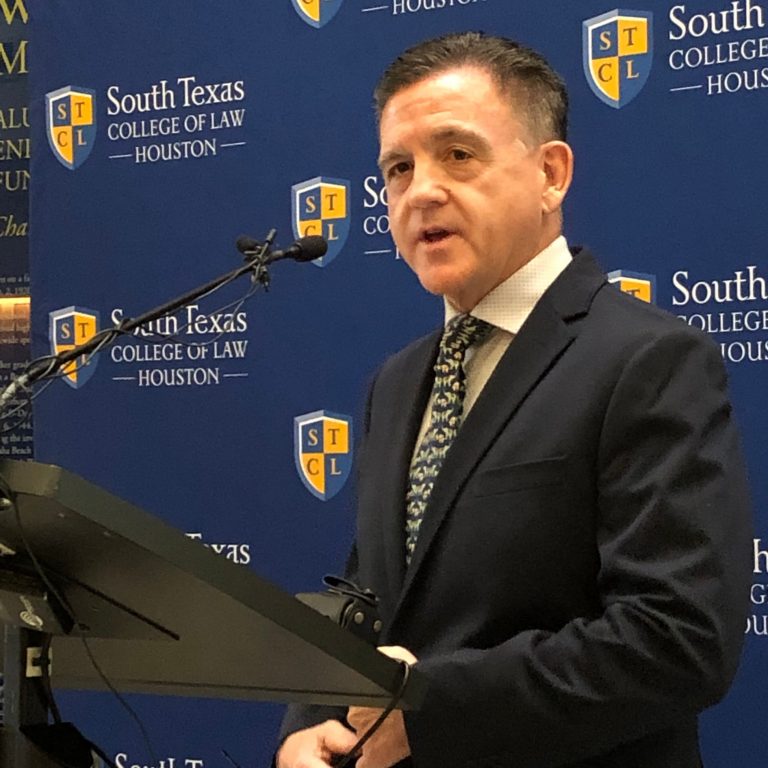
In an opinion for Smerconish.com, CERL Advisory Council member Geoffrey Corn cautions against the instinct to condemn both sides in the Israel-Hamas war, arguing that equal condemnation creates a false parity between “incidental” and “intentional” civilian harm. Fairness, he asserts, is using credible evidence and accurate applications of the rule of law to assess the legal responsibility of actors in the conflict.

Geoffrey S. Corn is the George R. Killam, Jr. Chair of Criminal Law and Director of the Center for Military Law and Policy at Texas Tech University School of Law and a retired U.S. Army Lieutenant Colonel. He is also a member of the CERL Advisory Council. Read his bio here.

The views expressed here are the author’s own and do not necessarily represent those of any organization or university.

Mailing List

Submissions

Submissions to The Rule of Law Post. Please refer to CERL’s submission guidelines for additional details on the blog post format. Should your submission be accepted, we ask that you please complete the Agreement to Transfer Copyright.

Please upload text in one document under 6 mb. Preferred format as a simple text file (.txt).

Share Why equality of condemnation in war does not translate to fairness on:

LinkedIn
Twitter
Facebook
Reddit
Email
Print
Why equality of condemnation in war does not translate to fairness