
CENTER FOR ETHICS AND THE RULE OF LAW​
Michael Horowitz

Despite deterrent effects, risks of automated nuclear weapons systems are too high

Share this Post

Related posts

Microphones prepared for the press conference and mic flags displaying fake news logos: disinformation and propaganda concept, blank copy space

How the Trump administration is weaponizing the Communications Act of 1934

Amid heightened global instability, including among nuclear powers, the role of AI in nuclear weapons system remains a subject of debate. In a new piece in War on the Rocks, Joshua Schwartz and CERL Affiliated Faculty Member Michael Horowitz argue that while automated nuclear weapons systems could improve credible deterrence, their risks outweigh their rewards. Discussing both the theory behind such systems and their own research about automated systems’ deterrent effects, the two outline several key ways that NATO states can reduce incentives for automation in the nuclear realm.

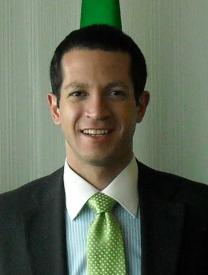
Michael C. Horowitz is Director of Perry World House and Richard Perry Professor at the University of Pennsylvania. He is also a member of CERL’s Affiliated Faculty. Read his bio here.

The views expressed here are the author’s own and do not necessarily represent those of any organization or university.

Mailing List

Submissions

Submissions to The Rule of Law Post. Please refer to CERL’s submission guidelines for additional details on the blog post format. Should your submission be accepted, we ask that you please complete the Agreement to Transfer Copyright.

Please upload text in one document under 6 mb. Preferred format as a simple text file (.txt).

Share Despite deterrent effects, risks of automated nuclear weapons systems are too high on:

LinkedIn
Twitter
Facebook
Reddit
Email
Print
Despite deterrent effects, risks of automated nuclear weapons systems are too high